
Robotic Joint Prosthesis Surgery
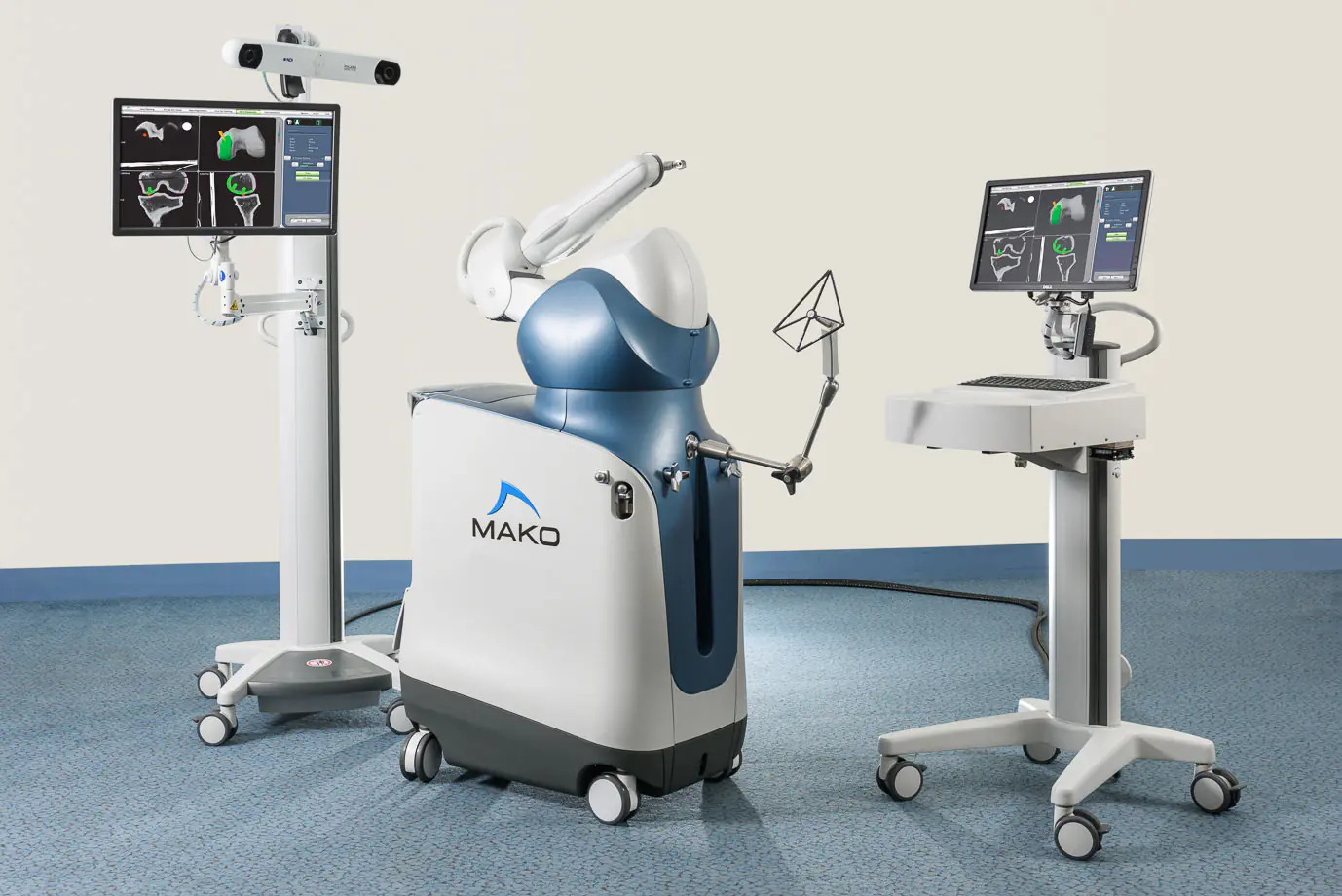
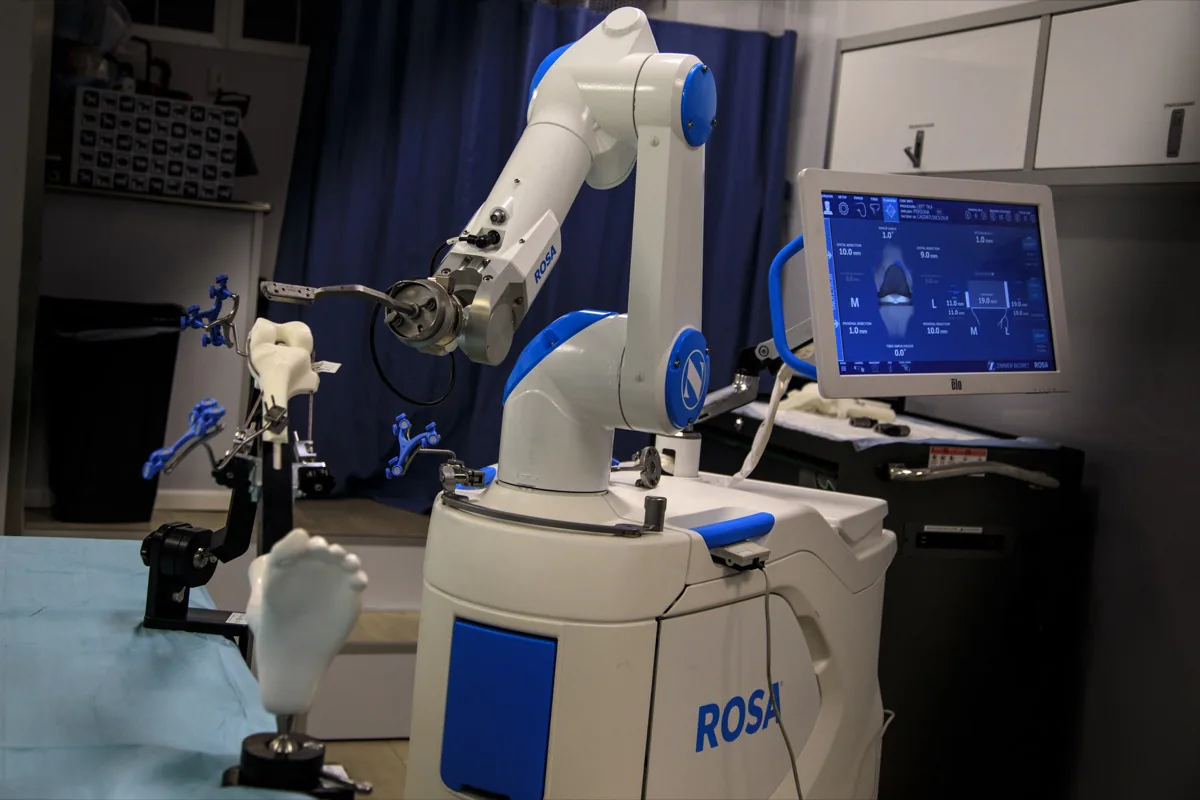
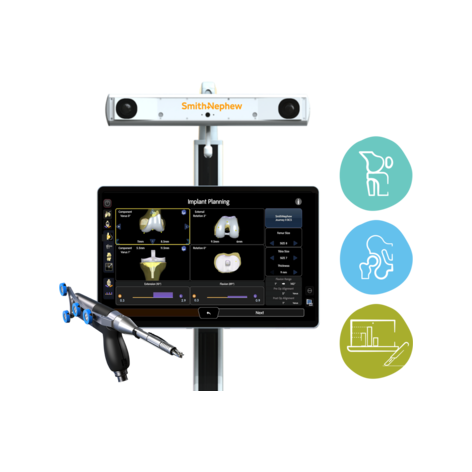
Knee and hip joint prosthesis surgeries. Total and partial prosthesis applications in advanced osteoarthritis cases. Joint prosthesis surgery with ceramic-ceramic surface technology, robotic surgery and minimally invasive techniques.
Overview
Joint prosthesis surgery is the replacement of joint surfaces damaged due to advanced osteoarthritis with artificial implants. It is most commonly applied to knee and hip joints. The main goal is to restore the patient's painless walking capacity and quality of life.
The decision for surgery is made considering the patient's pain level, how much daily activities are restricted, and the adequacy of non-surgical treatments. X-ray findings alone are not the decision criterion. Each patient is evaluated individually.
Ceramic-on-ceramic surface technology, highly cross-linked polyethylene, and advanced implant designs are used in modern prosthesis surgery. Hospital stay has been shortened with minimally invasive approaches and enhanced recovery protocols (ERAS).
Conditions Treated
Knee Osteoarthritis (Gonarthrosis)
It occurs with the wear of the cartilage tissue of the knee joint over time. Difficulty climbing stairs, night pain, decreased walking distance, and knee swelling are the main symptoms. Total knee prosthesis is applied in advanced stages.
Hip Osteoarthritis (Coxarthrosis)
Hip joint wear leads to complaints such as groin pain, difficulty walking, and inability to tie shoes. Pain can radiate from the hip to the knee. Total hip prosthesis is the most effective solution.
Rheumatoid Arthritis
Immune system-related joint inflammation can cause rapid damage to the knee and hip. Prosthesis surgery comes into consideration when damage progresses despite medical treatment.
Avascular Necrosis
It is the death of the hip bone due to impaired blood circulation. It may occur after alcohol, cortisone use, or trauma. Preventive surgery is needed in early stages, and prosthesis in advanced stages.
Post-traumatic Arthritis
Arthritis that develops over years after old joint fractures. It can even be seen in young patients. The prosthesis decision is made by balancing activity level and implant lifespan.
Failed Previous Surgeries
Revision prosthesis surgery is applied in cases where previously performed knee or hip surgeries have failed. Such surgeries are more complex and require experience.
Treatment Approaches
Total Knee Prosthesis
It is the replacement of the three compartments of the knee (medial, lateral, patellofemoral) with artificial implants. Cobalt-chrome femoral component, titanium tibial component, and highly cross-linked polyethylene are used.
Partial (Unicompartmental) Knee Prosthesis
When only one compartment of the knee is affected, a limited implant is applied to that area. It has the advantages of less bone loss and faster recovery. Appropriate patient selection is critical.
Total Hip Prosthesis
Replacement of the femoral head and acetabulum with artificial components. Ceramic-on-ceramic, metal-on-polyethylene, or ceramic-on-polyethylene surface combinations are selected according to the patient.
Minimally Invasive Hip Surgery
Hip prosthesis surgery performed through smaller incisions reduces muscle damage and allows early ambulation. It is preferred in patients with suitable anatomy and weight.
Revision Prosthesis Surgery
It is the replacement of worn or problematic prostheses. Special revision implants and bone grafts are used in case of bone loss.
Recovery Process
In modern protocols after prosthesis surgery, the patient is mobilized on the same day or the next day of surgery. Physical therapy starts from the first day. Hospital stay is usually 2 to 4 days.
The first 6 weeks focus on pain and swelling control and regaining joint range of motion. Between weeks 6-12, walking becomes unassisted. After the 3rd month, the vast majority of patients have returned to their normal lives. Full functional performance of the prosthesis can take 6 months. The lifespan of the prosthesis is extended with regular follow-up. Modern knee and hip prostheses can function without problems for 15 to 25 years or longer.
Frequently Asked Questions
Is there an age limit for prosthesis surgery?
There is no specific lower or upper age limit. The decision is made according to the patient's general health, activity level, and severity of complaints. Prosthesis can now be applied in patients under 60 to maintain an active lifestyle.
How long does a prosthesis last?
Modern prostheses can function for 15 to 25 years or longer without problems with the right patient and correct surgical technique. The patient's weight, activity level, and implant quality are the main factors affecting lifespan.
When will I walk after the surgery?
With enhanced recovery protocols, standing up is possible 4-6 hours after surgery. Short distances are walked on the first day. Discharge is usually performed within 2-4 days and the patient goes home with a walker or crutches.
Which sports can I return to after prosthesis?
Swimming, cycling, walking, and light-paced yoga are recommended activities. High-impact sports such as running, basketball, and football can shorten implant life. Golf and light tennis are generally safe. Consult your doctor for a personal plan.
When will I return to normal life after surgery?
For desk jobs, 4-6 weeks may be needed, and 2-3 months for physical work lines. Driving usually starts in weeks 4-6. Full recovery takes 3-6 months.
Last updated: April 2026
Videos