
Orthobiology & Regenerative Therapy
Biological treatment methods for joint osteoarthritis, tendon damage and sports injuries with PRP (Platelet Rich Plasma) and stem cell applications. Non-surgical treatment options with evidence-based regenerative medicine applications.
Overview
Orthobiology and regenerative treatment seek solutions to joint, tendon, and musculoskeletal problems using the body's own healing mechanisms. It includes non-surgical methods or methods that support surgery.
Platelet-rich plasma (PRP), stem cell therapies, hyaluronic acid injections, and biologically enhanced repair techniques are the main applications of this field. Early-stage osteoarthritis, tendon injuries, and sports injuries are the most common indications.
Regenerative treatment is not a miracle solution. Correct patient selection, appropriate timing, and realistic expectation management are critical for the outcome. The patient's condition is evaluated and surgical or non-surgical options are discussed together.
Conditions Treated
Early-Stage Knee Osteoarthritis
In mild and moderate osteoarthritis cases, PRP and hyaluronic acid injections reduce pain and can slow disease progression. Its effect is limited in advanced osteoarthritis.
Tendinopathy and Tendon Injuries
Regenerative injections can be effective in chronic tendon problems such as tennis elbow, golfer's elbow, Achilles tendinitis, and plantar fasciitis. It provides an alternative to repeated steroid injections.
Muscle Injuries
PRP is applied to accelerate healing in athlete muscle injuries. It can shorten return-to-sport time especially in hamstring and thigh muscle injuries.
Ligament Sprains
Biological treatments can support healing in partial ligament tears and resistant instability cases. It is used as part of conservative treatment in cases that do not require surgery.
Cartilage Damage
Biological treatments support the healing process in small cartilage lesions on the joint surface. They can be applied together with matrix-assisted techniques.
Post-operative Healing Support
Biological support can accelerate healing in surgeries such as rotator cuff repair and anterior cruciate ligament reconstruction. It is preferred in evidence-based indications.
Treatment Approaches
Platelet-Rich Plasma (PRP)
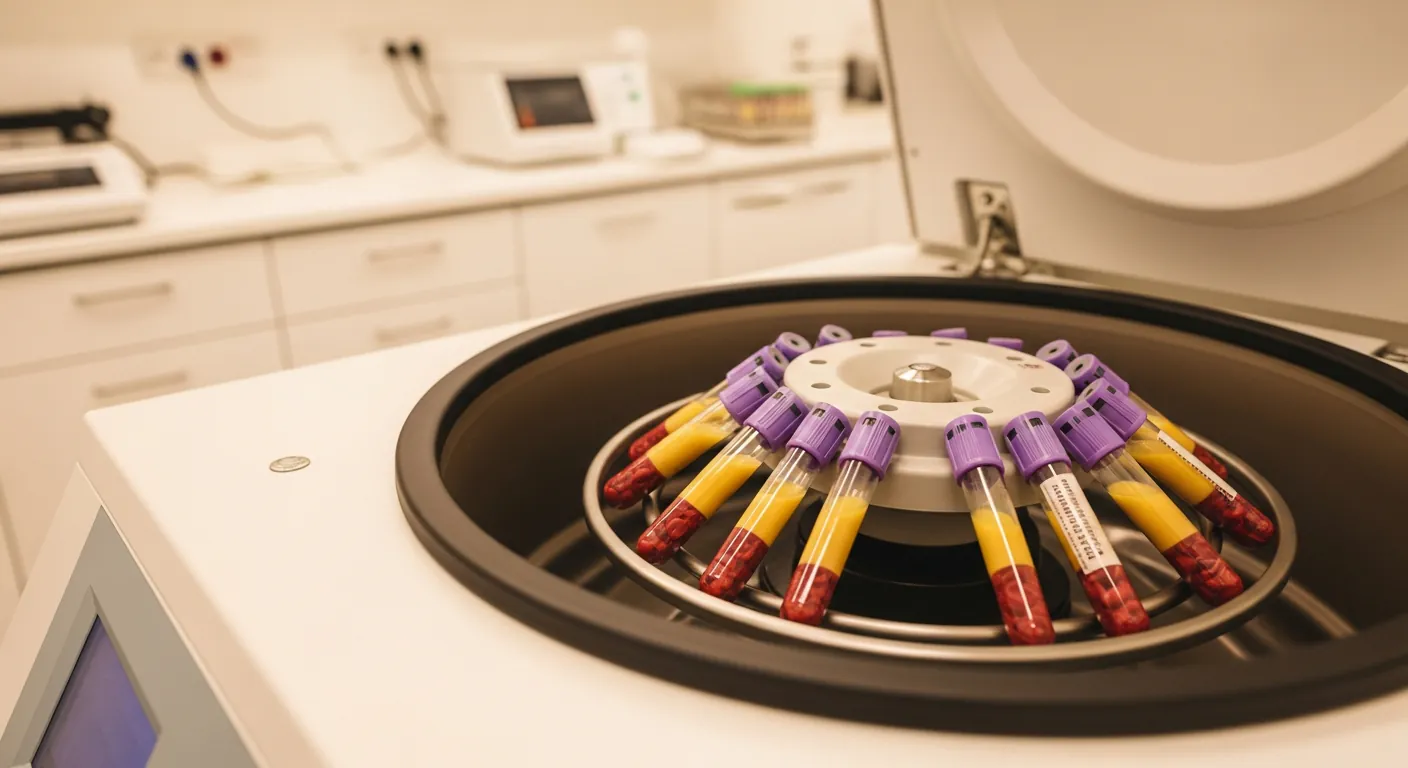
A concentrate obtained from the patient's own blood by centrifuge, containing a high amount of growth factors. It is injected into the target area to support the healing process. There is no risk of allergic reaction.
Stem Cell Applications
Mesenchymal stem cells obtained from bone marrow or adipose tissue can support tissue regeneration. They are applied in appropriate indications and within the ethical framework.
Hyaluronic Acid Injection
It increases the viscosity of joint fluid and protects cartilage surfaces. It can provide pain reduction lasting 6-12 months in early to moderate knee osteoarthritis.
Combined Biological Treatments
Combined application of PRP and hyaluronic acid can give better results in some cases. A patient-specific protocol is prepared.
Recovery Process
Regenerative treatments are usually performed on an outpatient basis. There may be mild swelling and pain in the area for 24-48 hours after injection. Cold application and simple pain relievers are sufficient. Steroid-like medications are avoided as they reduce the biological effect.
Full observation of the results can take 6-12 weeks. Avoiding excessively strenuous activities is recommended during this period. In some cases, repeated sessions at 3-6 month intervals can be planned. Each patient responds differently and realistic expectations are important.
Frequently Asked Questions
Is PRP treatment suitable for everyone?
It is suitable for early and moderate osteoarthritis, tendinopathies, and some sports injuries. Prosthesis surgery is a more effective option in advanced osteoarthritis. Application is carefully evaluated in patients with blood clotting disorders.
Is PRP a permanent solution?
PRP does not completely eliminate the disease. It reduces pain and can slow progression. The effect usually lasts 6-12 months and can be reapplied when necessary.
Is stem cell treatment safe?
Applications performed in appropriate indications, with approved protocols, and within the ethical framework are safe. It is important to be performed in centers regulated by the Ministry of Health. Patient-specific risk assessment is performed.
When can I work and exercise after regenerative treatment?
Most patients can return to desk work the next day. Intense sports activities are usually postponed for 1-2 weeks. A detailed plan is made according to the type of treatment applied.
Can I avoid surgery with PRP?
Yes in early-stage problems, no in advanced conditions. A meniscus tear requiring surgery or advanced osteoarthritis does not improve with PRP. However, it can delay surgery in suitable patients. The decision is made after examination and imaging.
Last updated: April 2026