Sports Surgery
Treatment of sports injuries in all joints, especially shoulder, knee and elbow, using arthroscopic and open surgical methods. Anterior cruciate ligament reconstruction, meniscus repair, shoulder instability surgery, rotator cuff repair and tendon transfer operations are performed. Advanced experience in shoulder surgery with the shoulder-elbow surgery fellowship program completed at Charité University, Germany.
Overview
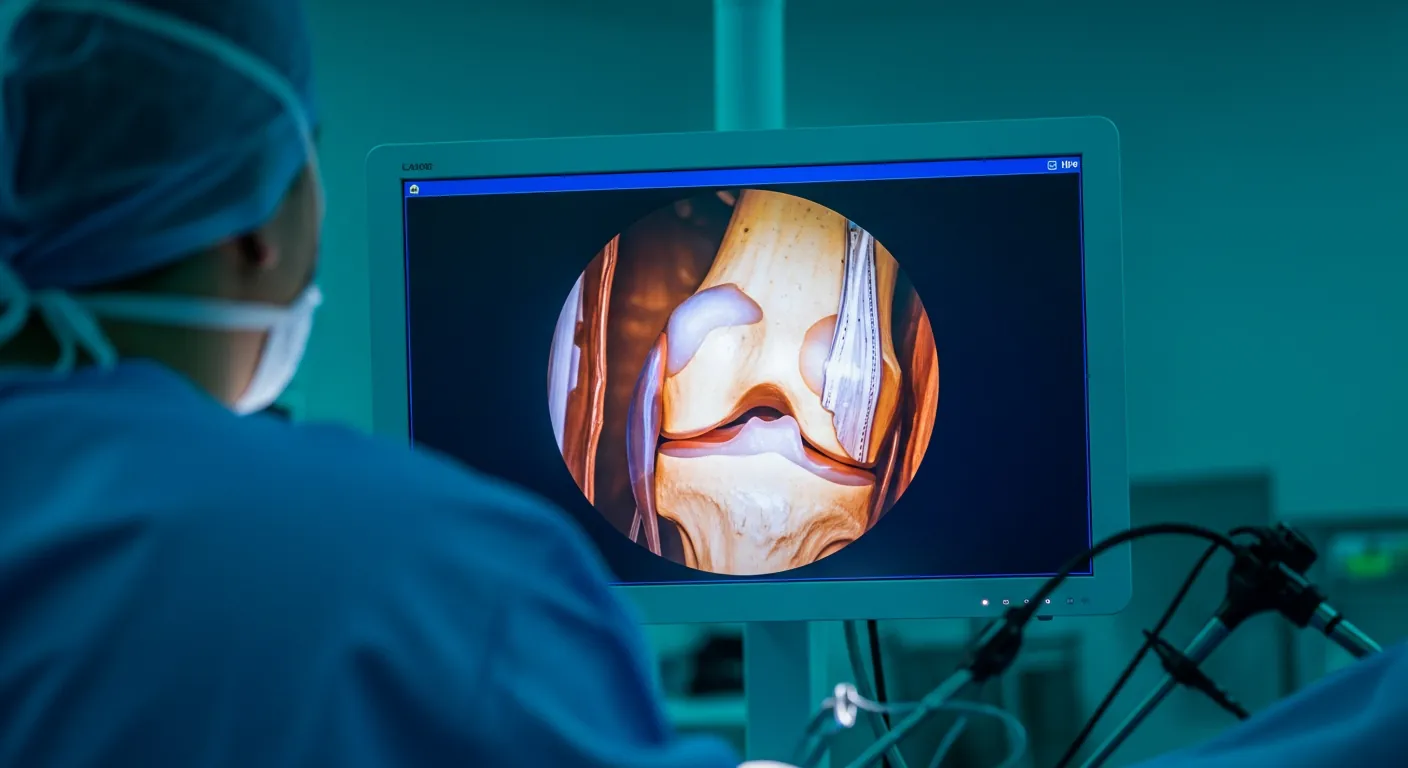
Sports surgery covers the treatment of ligament, cartilage, meniscus, and tendon injuries seen in active patients. With the closed surgical method called arthroscopy, the joint is entered through incisions of a few millimeters, and the problem is identified and repaired. This approach provides less tissue damage and faster recovery compared to open surgery.
Professional athletes, amateur athletes, and individuals with an active lifestyle have different goals. The treatment plan is personalized according to the patient's age, activity level, injury severity, and return-to-sport expectations. The goal is not only to repair the injured area but also to safely restore athletic performance.
Op. Dr. Emre Kaya completed the shoulder-elbow surgery fellowship program at Charité University in Germany. He has advanced surgical experience especially in rotator cuff tears and shoulder instability.
Conditions Treated
Anterior Cruciate Ligament (ACL) Tear
Common in sports requiring sudden direction changes such as football, basketball, and skiing. Sudden pain, swelling, and a feeling of instability in the knee are the main complaints. Arthroscopic reconstruction is preferred in active patients.
Meniscus Tear
The meniscus, which acts as a shock absorber in the knee joint, can tear with sudden rotational movements. It causes pain, swelling, and a feeling of catching in the knee. Depending on the tear type, repair or partial removal is applied.
Rotator Cuff Tear
It consists of four muscle-tendon groups that provide shoulder movement. It can tear with sudden injury or degeneration developing over years. Pain increases especially at night, and arm movements are restricted.
Shoulder Dislocation and Instability
Recurrent shoulder dislocations especially in young athletes develop due to labrum tears. Arthroscopic Bankart repair or the Latarjet procedure is applied in case of bone loss.
Cartilage Injuries
The cartilage on the joint surface can be damaged by trauma or wear. In the early period, repair is possible with microfracture, mosaicplasty, or matrix-assisted techniques.
Tennis and Golfer's Elbow
Painful conditions at tendon attachment areas on the outer (tennis) or inner (golfer's) side of the elbow. First-line treatment is usually conservative. Surgery may be considered in resistant cases.
Treatment Approaches
Arthroscopic Surgery
A minimally invasive method performed by entering the joint with a camera and fine surgical instruments. It can be applied to knee, shoulder, elbow, wrist, ankle, and hip joints.
Ligament Reconstruction
In anterior cruciate ligament and other ligament tears, a new ligament is created using the patient's own hamstring or patellar tendon graft. The graft passed through bone tunnels is fixed.
Meniscus Repair
In suitable tear types, the meniscus is sutured and preserved. Repair is preferred over partial meniscus removal for long-term joint health.
Tendon Repair and Transfer
Arthroscopic repair is applied in rotator cuff tears. In irreparable large tears, advanced surgical techniques such as latissimus dorsi tendon transfer (LDTT) come into play.
Biologically Supported Surgery
Healing can be supported during surgery with platelet-rich plasma (PRP) or stem cell application. This approach is detailed under the orthobiology heading.
Recovery Process
Rehabilitation after sports surgery is the most important process that directly determines the outcome. The first 2 weeks after surgery begin with control of swelling and pain. Simple range-of-motion exercises start during this period.
Rehabilitation takes 6 to 9 months in major operations such as anterior cruciate ligament surgery. Starting to run is usually possible from the 3rd month. Strength, balance, and coordination tests are performed for return to sports. Return to contact sports can take 9 to 12 months. Full recovery of shoulder strength after rotator cuff repair takes 6 to 12 months.
Frequently Asked Questions
Is surgery mandatory for ACL tear?
Surgery is usually recommended in active athletes and patients working in jobs requiring knee use. Conservative treatment may be considered in sedentary patients without a feeling of knee instability. The decision is made according to the patient's goals.
Do scars remain after arthroscopic surgery?
Incisions used in arthroscopy are around 5 to 10 millimeters. They become quite faint over time. Cosmetic results are much better compared to open surgery.
Is physical therapy sufficient for rotator cuff tear?
Significant relief can be achieved with physical therapy in small and partial tears. In full-thickness tears and especially in large tears, surgical repair is necessary. Untreated tears can grow over time.
Will the shoulder dislocate again after the first dislocation?
Especially in patients under 25, the risk of recurrence after the first dislocation can reach 80 percent. Therefore, surgical evaluation is recommended after the first dislocation in young athletes. Early intervention preserves the labrum and bone structure.
When can I return to sports?
This period depends on the type of injury and the requirements of the sport. While 3 months may be sufficient for simple meniscus repair, return to contact sports after ACL can take 9-12 months. Readiness decision is made with clinical examination and strength tests.
Last updated: April 2026
Clinical Cases
Arthroscopic-Assisted Latissimus Dorsi Tendon Transfer (LDTT)
Latissimus dorsi tendon transfer technique applied in massive irreparable rotator cuff tears (MIRCT). The tendon of the back muscle is transferred to the shoulder area to restore lost shoulder function.
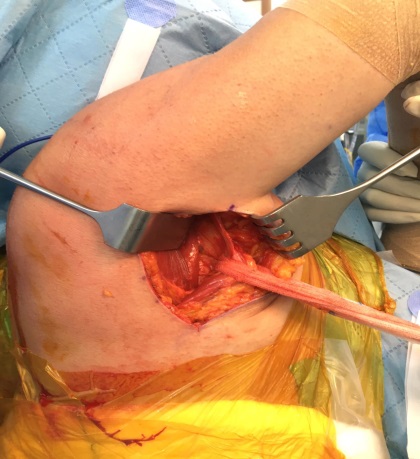
LDTT open surgery — tendon preparation
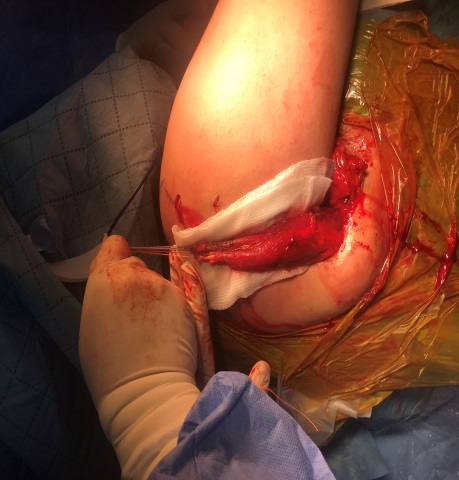
LDTT open surgery — tendon transfer
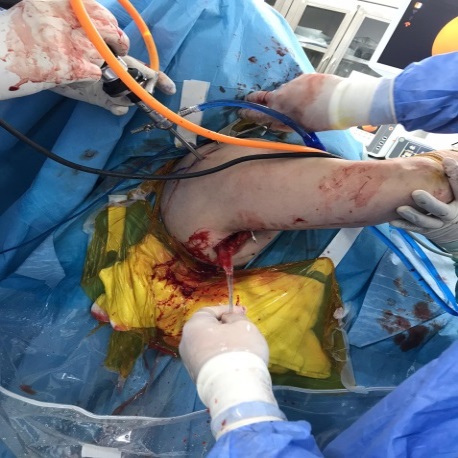
LDTT arthroscopic surgery setup
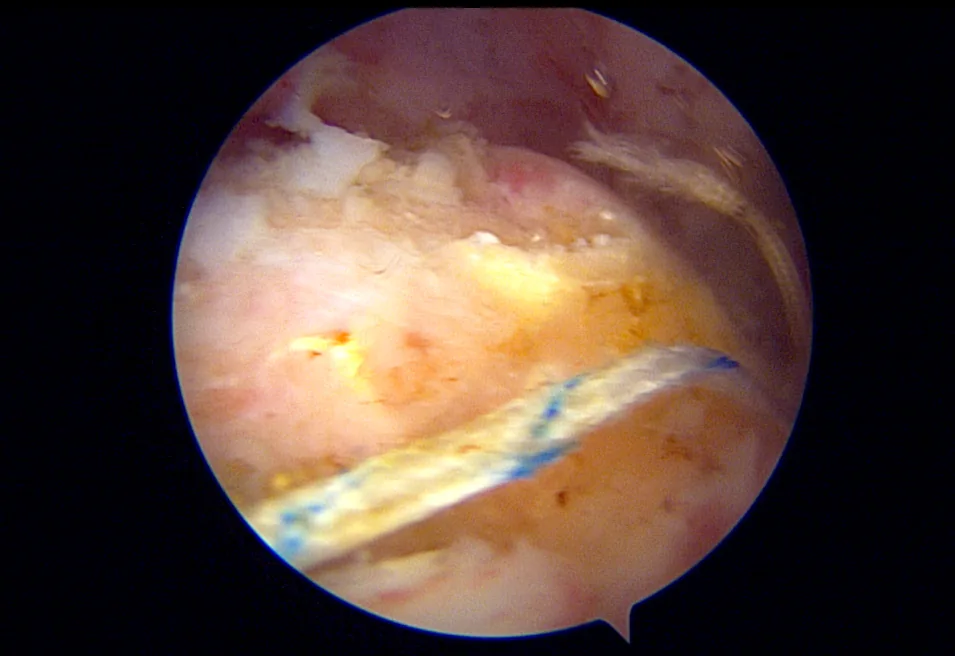
Arthroscopic view — massive cuff retraction
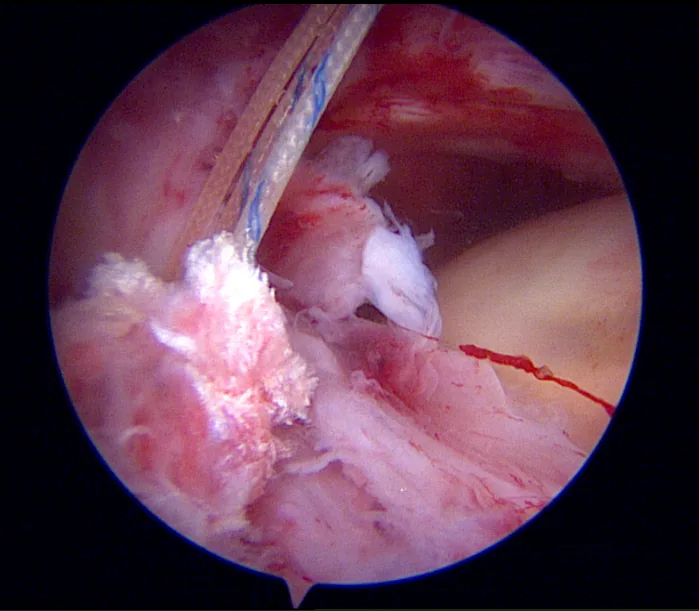
Arthroscopic view — tendon passage
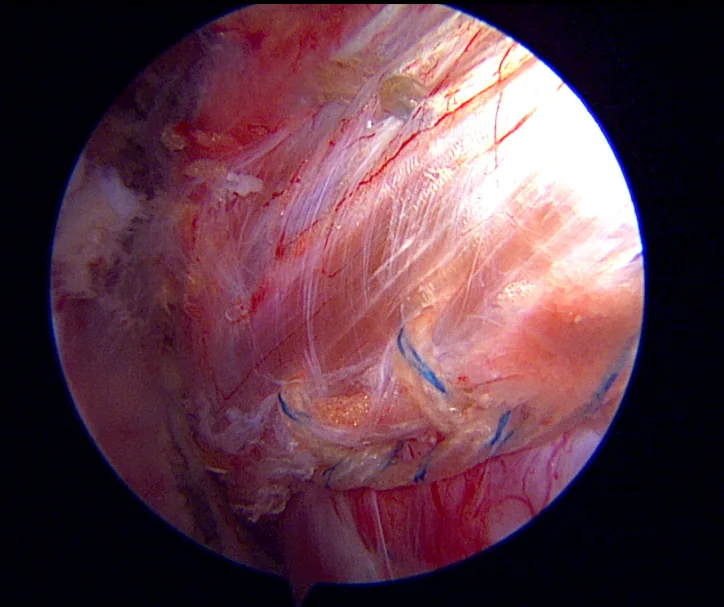
Arthroscopic view — tendon fixation
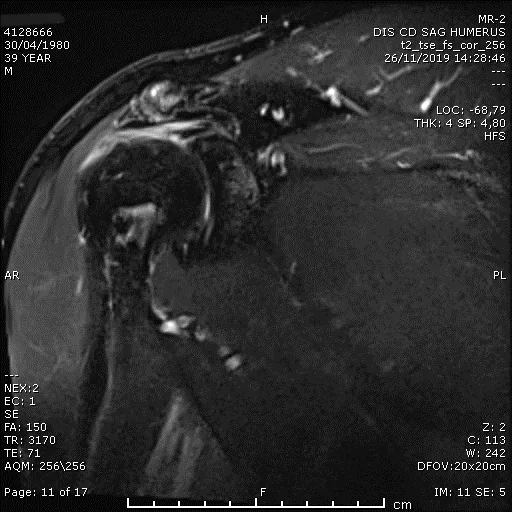
Preoperative shoulder MRI
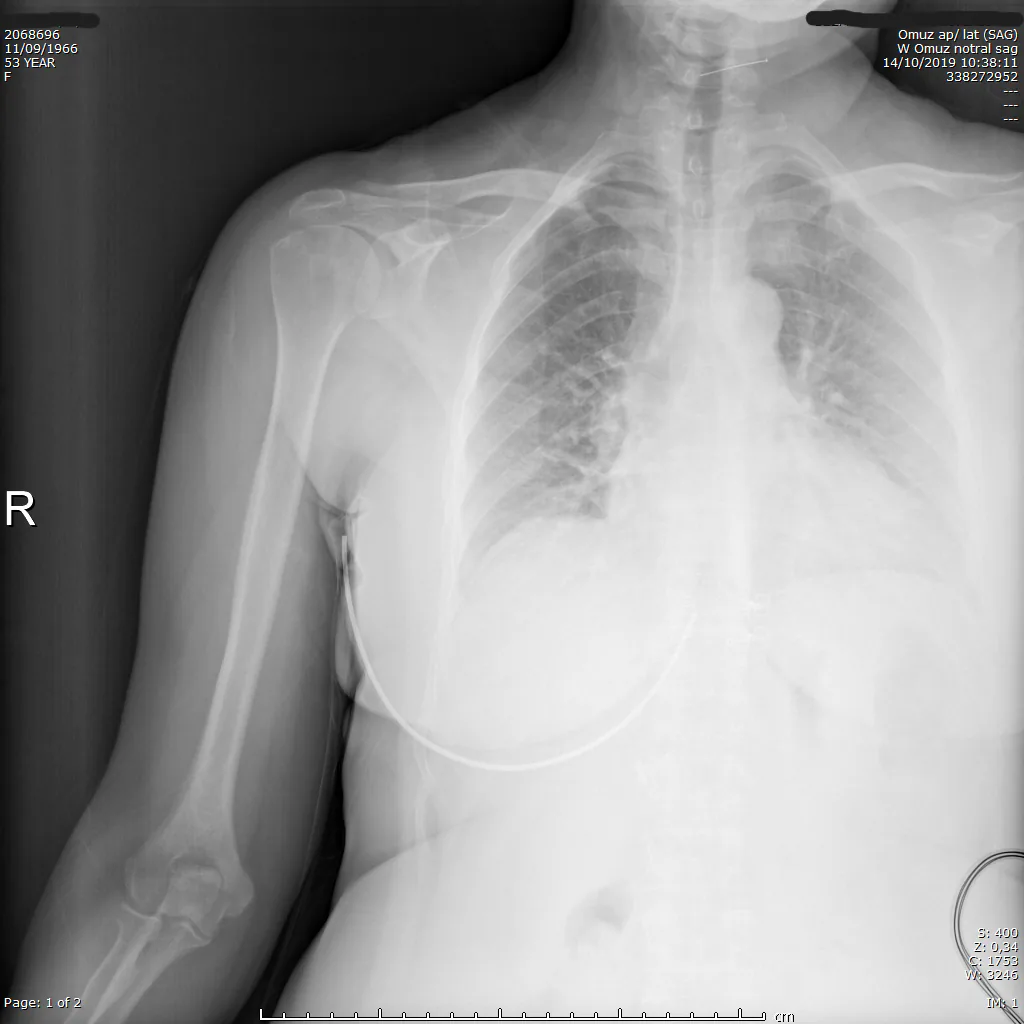
Preoperative shoulder X-ray — narrowed AHD
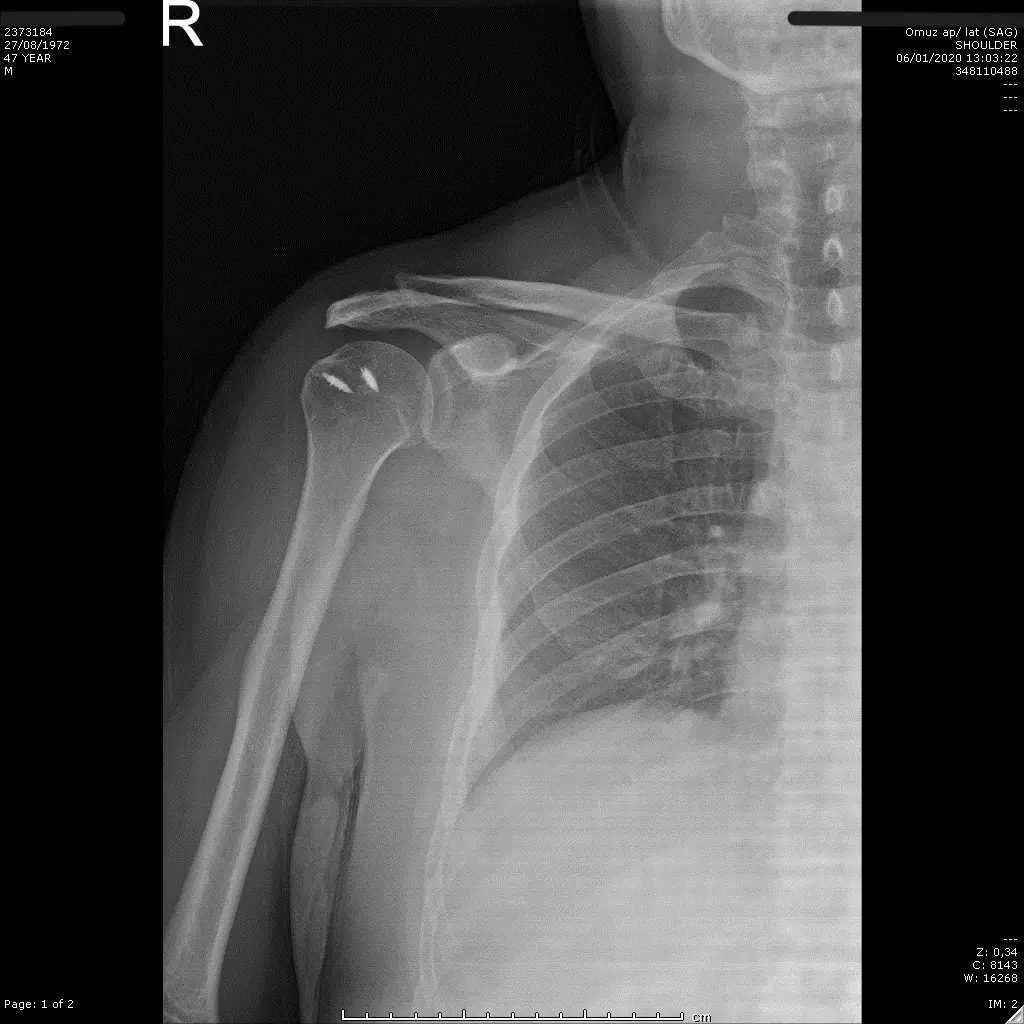
Postoperative shoulder X-ray — improved AHD
Massive Rotator Cuff Tear — Open Complete Repair (OCR)
Complete repair technique with open surgery for massive irreparable rotator cuff tears. Repair success is monitored with preoperative and postoperative MRI images.
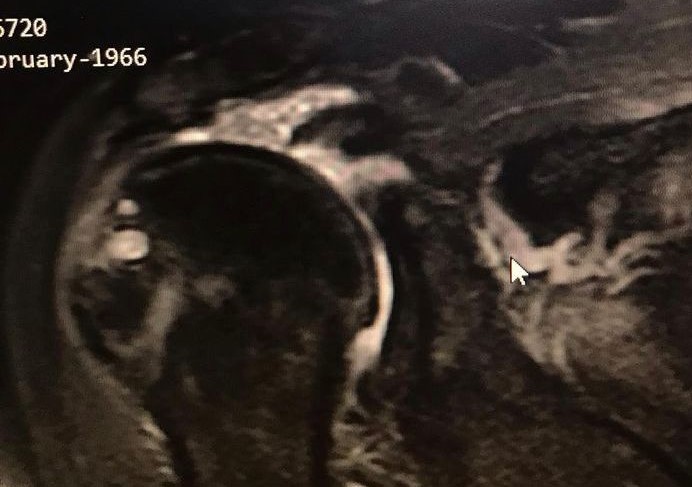
Preoperative shoulder MRI — massive tear
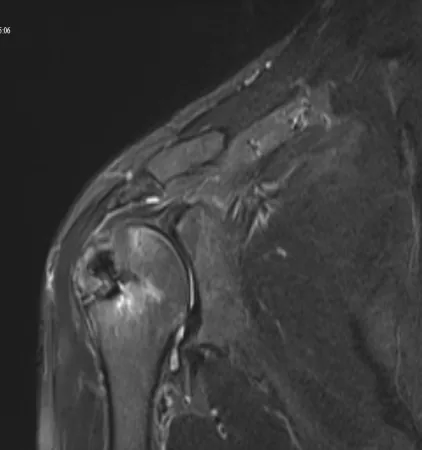
Postoperative 3rd month MRI — after repair
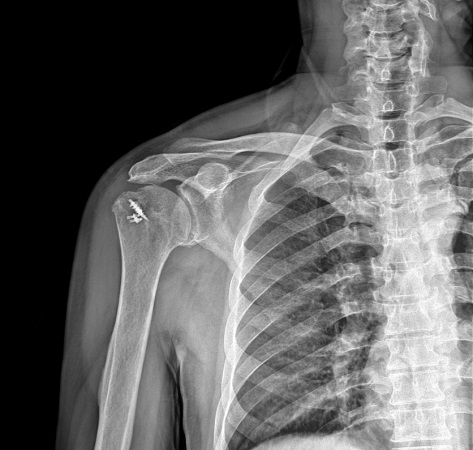
Postoperative shoulder X-ray
Videos